
Cardio MedBed for Congestive Heart Failure (CHF): Evidence and Outcomes
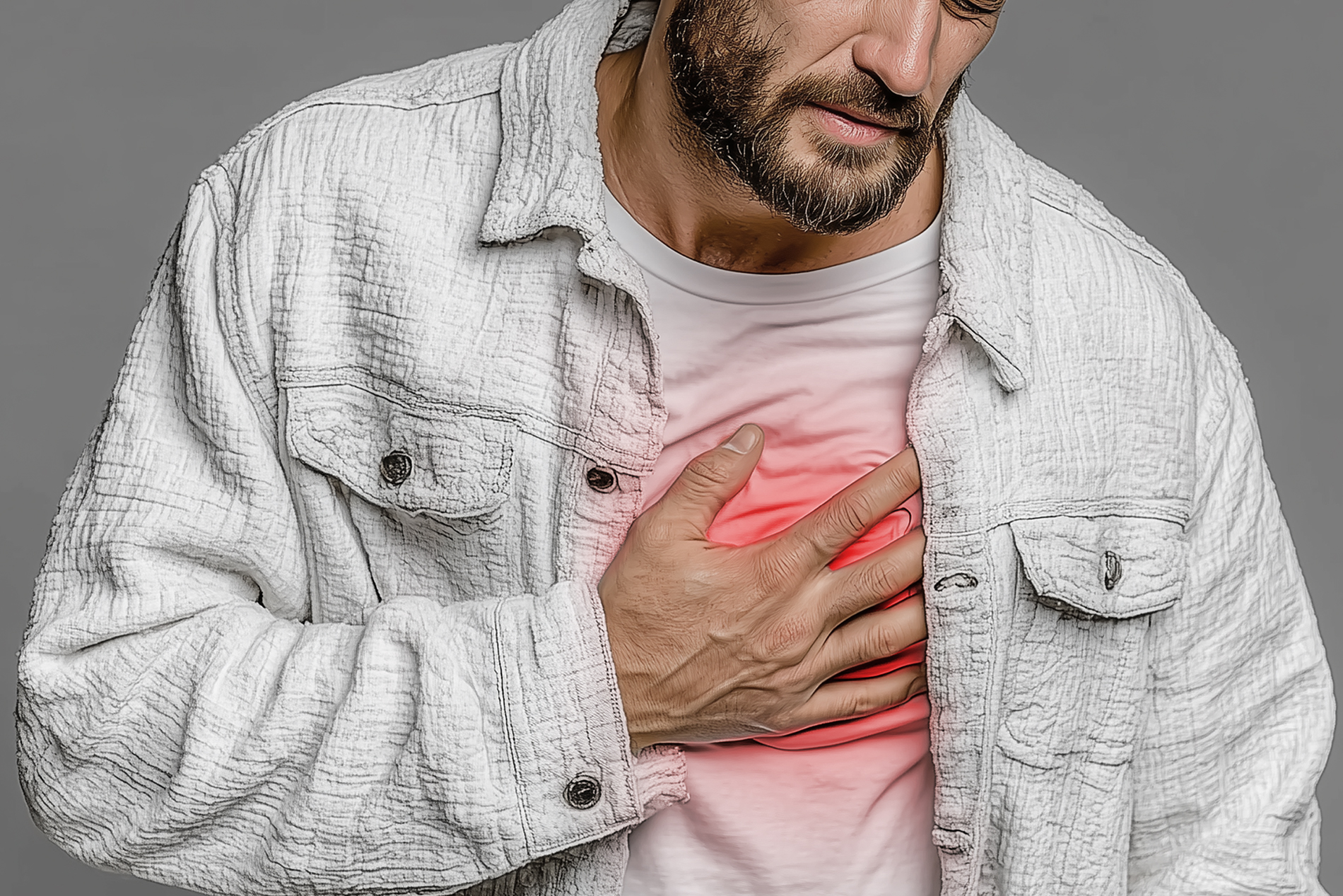
Cardio MedBed for Congestive Heart Failure (CHF): Evidence and Outcomes
Chronic heart failure (CHF) is one of the most common and challenging cardiovascular conditions. It impairs the heart’s ability to pump blood effectively, leading to breathlessness, reduced exercise tolerance, fatigue, edema, and a significant decline in quality of life.
External counterpulsation therapy (ECP/EECP), implemented in the advanced Cardio MedBed system, has become one of the safest and most thoroughly studied non-invasive methods for improving circulation in patients with heart failure. It does not replace medication therapy, but it significantly enhances its effects — helping restore cardiac function without surgery, stenting, or catheter-based procedures.
Let’s explore why Cardio MedBed is an effective tool in CHF management, how it works, and what clinical evidence supports its use.
What Is Chronic Heart Failure and Why Does It Occur?
Chronic heart failure is a condition in which the heart cannot pump enough blood to supply the body with oxygen and nutrients.
Common causes include:
- previous myocardial infarction
- prolonged ischemia from narrowed coronary arteries
- hypertension
- cardiomyopathies
- valvular disease
In patients with CHF:
- the heart’s contractile force decreases
- organ perfusion declines
- edema progresses
- even minimal activity causes shortness of breath and fatigue
The core issue is inadequate blood flow and excessive cardiac workload — precisely what Cardio MedBed targets by improving hemodynamics without interfering with the heart itself.
Why ECP/EECP Helps in Heart Failure
Cardio MedBed therapy is based on synchronized pressure applied to the legs and lower body during diastole — when the heart is relaxed. This creates the effect of a “second heart,” supporting the natural pump function.
1. Improved Venous Return
Sequential cuff inflation rapidly pushes blood toward the heart, increasing preload and improving left ventricular filling.
For CHF patients this means:
- increased stroke volume
- stabilized cardiac output
- reduced weakness and dizziness
2. Enhanced Coronary Perfusion
During diastole, the coronary arteries receive their highest blood flow. Counterpulsation:
- sharply increases coronary perfusion
- improves oxygen delivery to the myocardium
- reduces ischemia
3. Reduced Afterload — Easier Heart Pumping
Just before systole, cuff pressure drops suddenly, which:
- decreases peripheral resistance
- gives the heart an “easier push”
- reduces myocardial oxygen consumption
- lowers left-ventricular workload
4. Improved Endothelial Function
Cardio MedBed generates strong shear stress — the frictional force of blood along vessel walls — which triggers:
- nitric oxide (NO) release
- vasodilation
- improved arterial elasticity
- reduced vascular inflammation
5. Stimulation of Collateral Vessel Formation
Repeated pressure cycles during therapy promote angiogenesis — the formation of new microvessels and natural bypass pathways.
For CHF patients this means:
- additional “reserve routes” for blood flow
- reduced ischemia
- improved pump efficiency
What Do Clinical Studies Show?
- EECP is one of the most extensively studied non-invasive treatments in cardiology. However, patients should understand both documented benefits and research limitations.
- 1. Increase in Cardiac Index
- Research indicates that EECP acutely enhances cardiac output by up to 25% during treatment sessions JACC Long-term effects on cardiac function show mixed results, with systematic reviews noting that while EECP demonstrates significant improvement in cardiac diastolic function, its effect on systolic function remains unclear PubMed
2. Improved Exercise Tolerance
In the 6-minute walk test (6MWT):
- patients walk 80–120 meters farther
- shortness of breath decreases
- the ability to perform daily activities returns
3. Reduction in NYHA Class Symptoms
- 70–80% of patients improve from class III → II or II → I
4. Fewer Hospitalizations
Within one year:
- hospitalizations ↓ 30–45%
- need for emergency care ↓ ~25%
5. Stable Effects Lasting 6–12 Months
Especially when combined with maintenance therapy and lifestyle recommendations.
Who Is a Good Candidate for Cardio MedBed Therapy?
This method is effective for patients with:
- HFrEF — reduced ejection fraction
- HFpEF — preserved ejection fraction
- previous myocardial infarction
- coronary artery disease
- diastolic dysfunction
- cardiomyopathies
- coexisting hypertension or diabetes
Especially beneficial for:
- patients who cannot tolerate high-dose medications
- elderly individuals with low physical endurance
- those contraindicated for invasive procedures
- people with refractory or persistent ischemia
Safety: Why Patients Choose Cardio MedBed
Systematic reviews confirm that standard EECP courses are safe in patients with stable ischemic heart failure PubMed EECP has one of the lowest risk profiles in modern cardiology.
- FDA-approved for angina and heart failure
- Requires no anesthesia, catheters, or surgery
- Suitable for complex comorbidities: diabetes, obesity, hypertension, chronic lung disease
Contraindications:
- Unstable or decompensated heart failure (acute pulmonary edema)
- Severe aortic valve regurgitation
- Aortic aneurysm
- Active thrombophlebitis or deep vein thrombosis
- Severe peripheral vascular disease
- Pregnancy
- Uncontrolled arrhythmias
Side Effects: Most patients tolerate EECP well. Mild leg discomfort or skin irritation may occur initially, typically resolving after the first few sessions.
Cardio MedBed vs. Classic EECP: What’s the Difference?
Cardio MedBed represents an improved, next-generation ECP technology.
1. More Precise Heart Cycle Synchronization
Advanced ECG-reading algorithms ensure:
- accurate cuff inflation during diastole
- optimal unloading before systole
2. More Stable Pressure Gradient
More uniform cuff pressure increases: perfusion volume, shear stress and endothelial benefits.
3. More Comfortable Cuffs
New ergonomic materials are reduce discomfort, distribute pressure evenly and improve tolerance for elderly and sensitive patients.
4. Greater Blood Flow Augmentation
Clinical observations show that Cardio MedBed provides:
- stronger aortic inflow enhancement
- higher coronary perfusion
- greater improvements in cardiac output
Cardio MedBed — A New Opportunity for CHF Patients
Cardio MedBed EECP therapy acts as an “assist pump” that:
- temporarily takes part of the heart’s workload
- increases blood flow to the heart and brain
- unloads the left ventricle
- trains blood vessels and stimulates regeneration
For patients with chronic heart failure, this means:
- fewer symptoms
- more energy and endurance
- improved exercise tolerance
- fewer hospitalizations
- a chance to avoid invasive procedures
Cardio MedBed is a modern, evidence-based, non-invasive technology that truly improves the lives of people with CHF — restoring function, confidence, and quality of life.
FAQ Questions for SEO:
- Is EECP effective for congestive heart failure? Research shows EECP can improve exercise tolerance, reduce symptoms, and decrease hospitalizations in selected heart failure patients. The PEECH trial found 35% of patients increased exercise time by at least 60 seconds. However, effects on underlying heart function are still being studied.
- How many EECP sessions are needed for heart failure? Standard EECP treatment consists of 35 one-hour sessions over 7 weeks (5 sessions per week). Benefits typically last 6-12 months, with some patients requiring periodic maintenance sessions.
- What types of heart failure can be treated with EECP? EECP may benefit both reduced ejection fraction (HFrEF) and preserved ejection fraction (HFpEF) heart failure. It's typically considered for NYHA class II-III patients who remain symptomatic despite optimal medication therapy.
- Are there risks or side effects with EECP for heart failure? EECP is generally safe for stable heart failure patients. Common side effects include mild leg discomfort or skin irritation. It's contraindicated in unstable heart failure, severe valve disease, aortic aneurysm, and certain other conditions.
KEY STUDY REFERENCES
- PEECH Trial (2006) - Landmark randomized controlled trial of EECP in heart failure https://www.sciencedirect.com/science/article/pii/S0735109706011296
- Systematic Review (2023) - Comprehensive analysis of EECP effects on ischemic heart failure https://link.springer.com/article/10.1007/s11886-023-01943-1
- JACC Review Article (2003) - Mechanisms and clinical evidence for EECP in cardiovascular disease https://www.jacc.org/doi/10.1016/S0735-1097(03)00428-5